Book a Call

Our expertise Software · Data · AI

The expertise
behind your
next system.

Build the applications. Connect the information. Put AI to work where it helps.

Explore five capabilities for creating and improving the systems your business runs on. Start with the work you need to do; we help shape the right combination.

One view. Distinct responsibilities.
Select a capability to explore its role

01 Software Development

Its role
Applications, interfaces and business behavior.
Works alongside
Data services and AI capabilities when the application needs them.
Boundary
The scope can be entirely software; AI is optional.

02 Data Management

Its role
Usable data with defined quality and access.
Works alongside
Operational applications, analytics and relevant AI use cases.
Boundary
Platform choices follow your sources and requirements.

03 AI Agentic Systems

Its role
Task coordination and tool-driven actions.
Works alongside
Language models, business systems and tool interfaces.
Boundary
Actions need agreed permissions and stopping conditions.

04 MCP Integration

Its role
A standard interface for tools and context.
Works alongside
AI applications or agents that use those interfaces.
Boundary
The application chooses and coordinates the actions.

05 LLM Integration

Its role
Language and document features in an application.
Works alongside
Relevant information sources and application workflows.
Boundary
A language feature does not require an autonomous agent.

Illustration of capability roles. Your project may use one or several.

Choose your starting point

Five capabilities.
Room to work together.

One capability can be enough. When several are needed, we define what each is responsible for and how they fit your existing environment.

01 Software

The applications people work with.

Software Development

Build new applications, connect existing systems or modernize the software your business depends on.

When it helps A workflow needs a better application, or an existing product needs to move forward.

  • Web, mobile & customer portals
  • Operational systems & business rules
  • Integration & modernization
How it connects
Works alongside
Data services and AI capabilities when the application needs them.
Boundary
The scope can be entirely software; AI is optional.
Explore software development

02 Data

The information those systems depend on.

Data Management

Connect sources and prepare data for the people, applications and decisions that rely on it.

When it helps Information is fragmented, reporting is difficult or data needs clearer ownership and access.

  • Data pipelines & integration
  • Quality, governance & access
  • Lakehouse, analytics & DataHive
How it connects
Works alongside
Operational applications, analytics and relevant AI use cases.
Boundary
Platform choices follow your sources and requirements.
Explore data management

A platform to explore: DataHive

03 AI

Language, actions and tool access—with distinct responsibilities.

AI Agentic Systems

Coordinate AI-assisted tasks and actions across a defined workflow, with explicit limits and human review where needed.

When it helps Work requires several decisions or actions across tools, beyond a single generated answer.

  • Task & action orchestration
  • Tool access & approval points
  • Visibility & execution limits
How it connects
Works alongside
Language models, business systems and tool interfaces.
Boundary
Actions need agreed permissions and stopping conditions.
Explore agentic systems

MCP Integration

Expose selected tools and context from your systems to compatible AI applications through Model Context Protocol.

When it helps An AI application needs a consistent interface to existing tools, APIs or information.

  • MCP servers & integrations
  • Selected tools & context
  • Access boundaries & compatibility
How it connects
Works alongside
AI applications or agents that use those interfaces.
Boundary
The application chooses and coordinates the actions.
Explore MCP integration

LLM Integration

Bring language and document capabilities into applications, from finding relevant knowledge to extracting and summarizing information.

When it helps People need to work with documents, knowledge or natural-language interaction inside a workflow.

  • Knowledge retrieval & assistants
  • Document extraction & summaries
  • Application integration & evaluation
How it connects
Works alongside
Relevant information sources and application workflows.
Boundary
A language feature does not require an autonomous agent.
Explore LLM integration

Products in context

Different work.
Concrete applications.

Explore products featured by VALID, from coordinating rooms to managing documents and customer conversations.

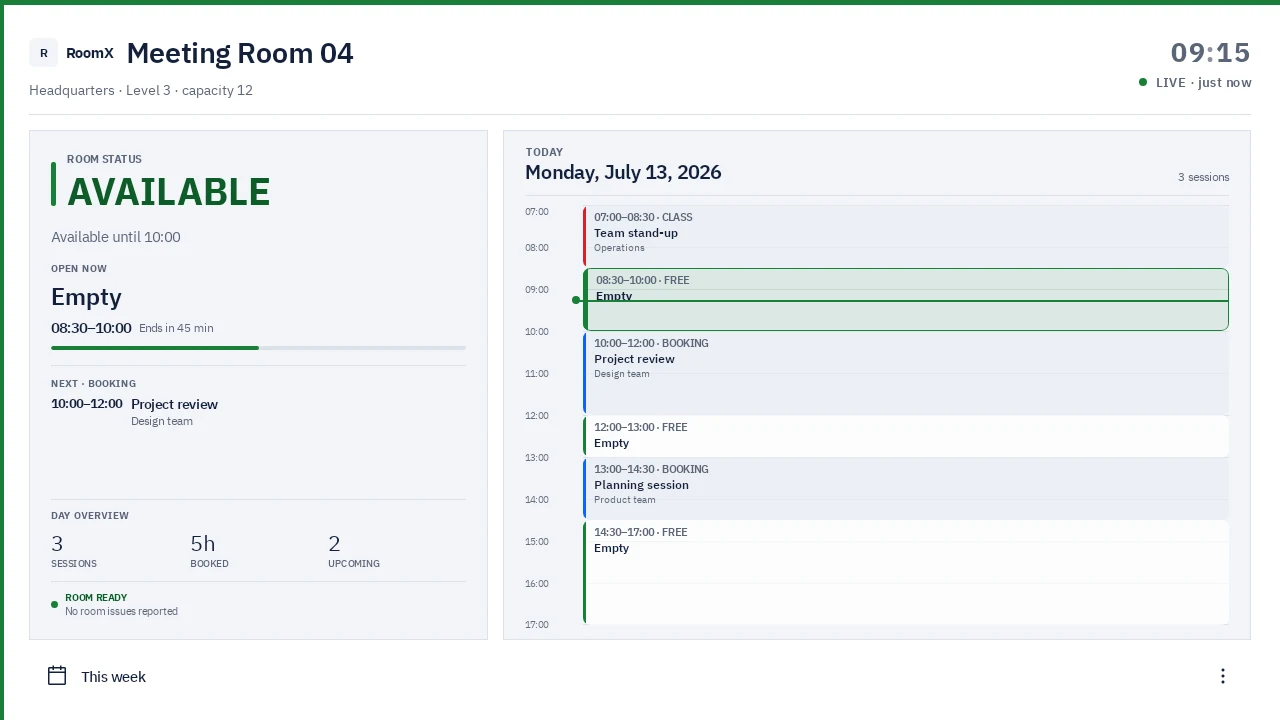
RoomX room-status panel with a sample daily schedule
Product interface · sample data

Room coordination

RoomX

Room availability, web booking and centralized room management.

Explore RoomX
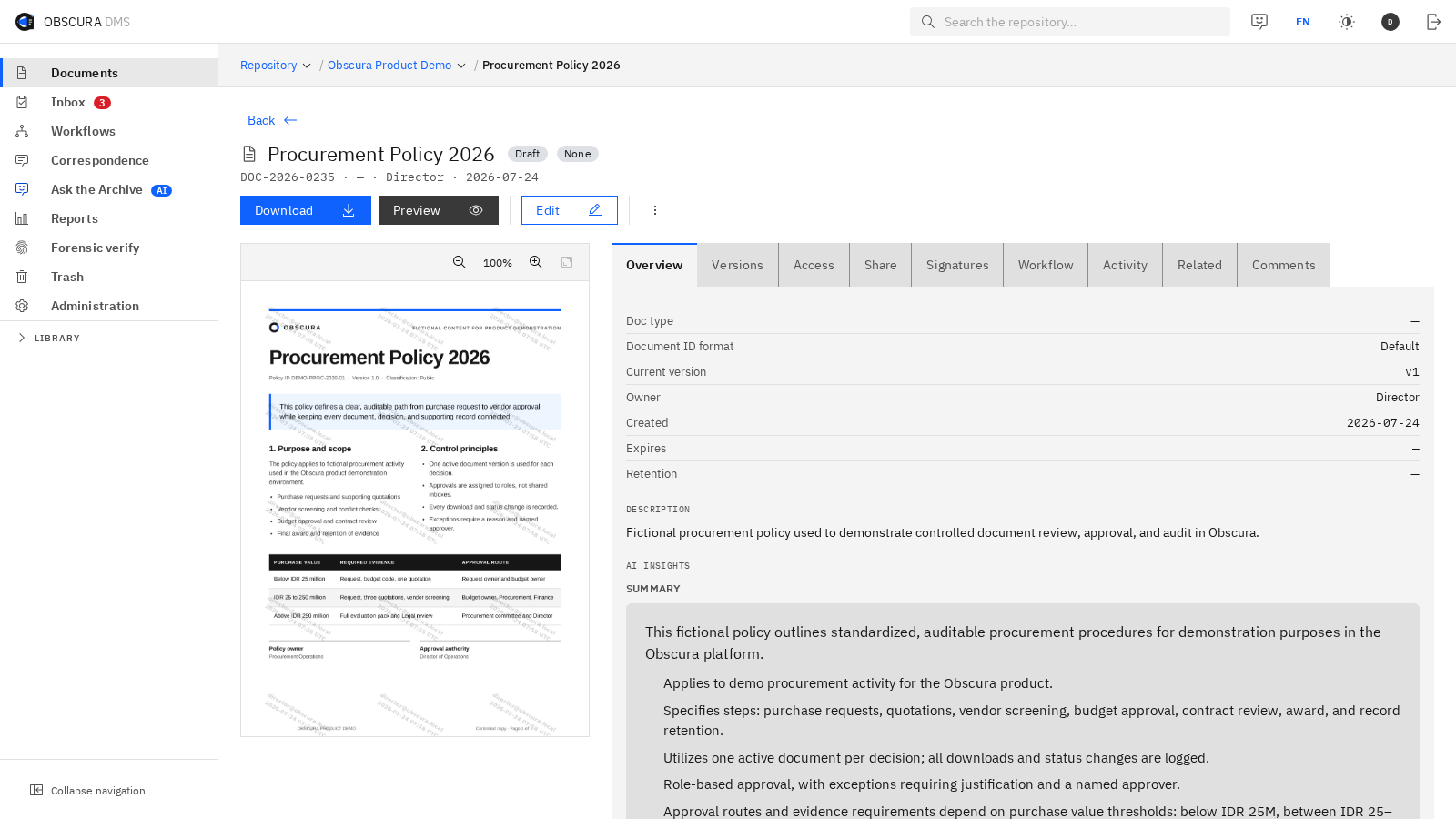
Obscura workspace with a sample document, versions and access settings
Product interface · sample document

Document control

Obscura

Documents, version history, permissions and approval workflows.

Explore Obscura
Conversation ownership
AI assistant
Your team
Illustrative handoff · not a live conversation

Customer conversations

ResponApp

AI replies, lead qualification and handoff to a human team.

Explore ResponApp

Start a conversation

Bring the context.
Let's shape the scope.

You can start with an existing system, a workflow that needs attention or an idea for something new. These four things help us begin.

  1. The work

    What should become easier, and what happens today?

  2. The people

    Who uses the system, and who makes the decisions?

  3. The landscape

    Which applications, data sources and integrations are involved?

  4. The constraints

    What must we account for in access, timing and your team's capacity?

You do not need to choose the whole architecture before getting in touch.